

Backrooms | The Dissection {Theme + Character Examination}
What you create in your mind, you create in your world.

New Posts Weekly!
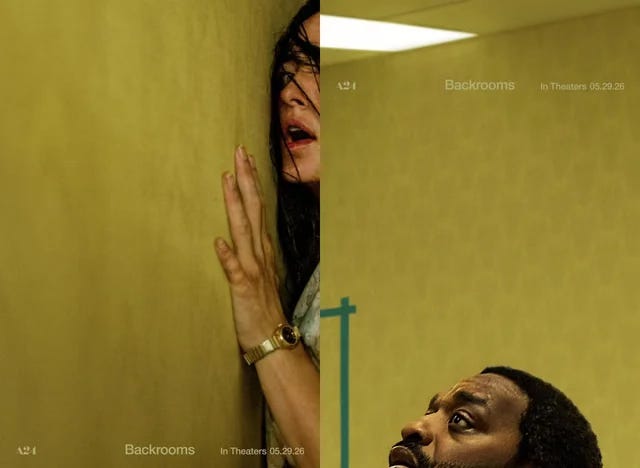
The owner of a furniture store finds a secret doorway that leads him to an endless stretch of rooms. When he disappears, his therapist ventures into the unknown to rescue him.
Directed by Kane Parsons
Backrooms is incredibly psychological and is a thesis on a human psyche and the unhealed self. When we refuse to face our internal wounds and shadows we get stuck in a loop. Hence, Clark's costume of a pirate captain with his eternally turning wheel to steer his ship. We live the pain over and over hitting these endless paths and dead
ends while we complain endlessly about the state of our lives.
Let’s begin with the color theory of the film!
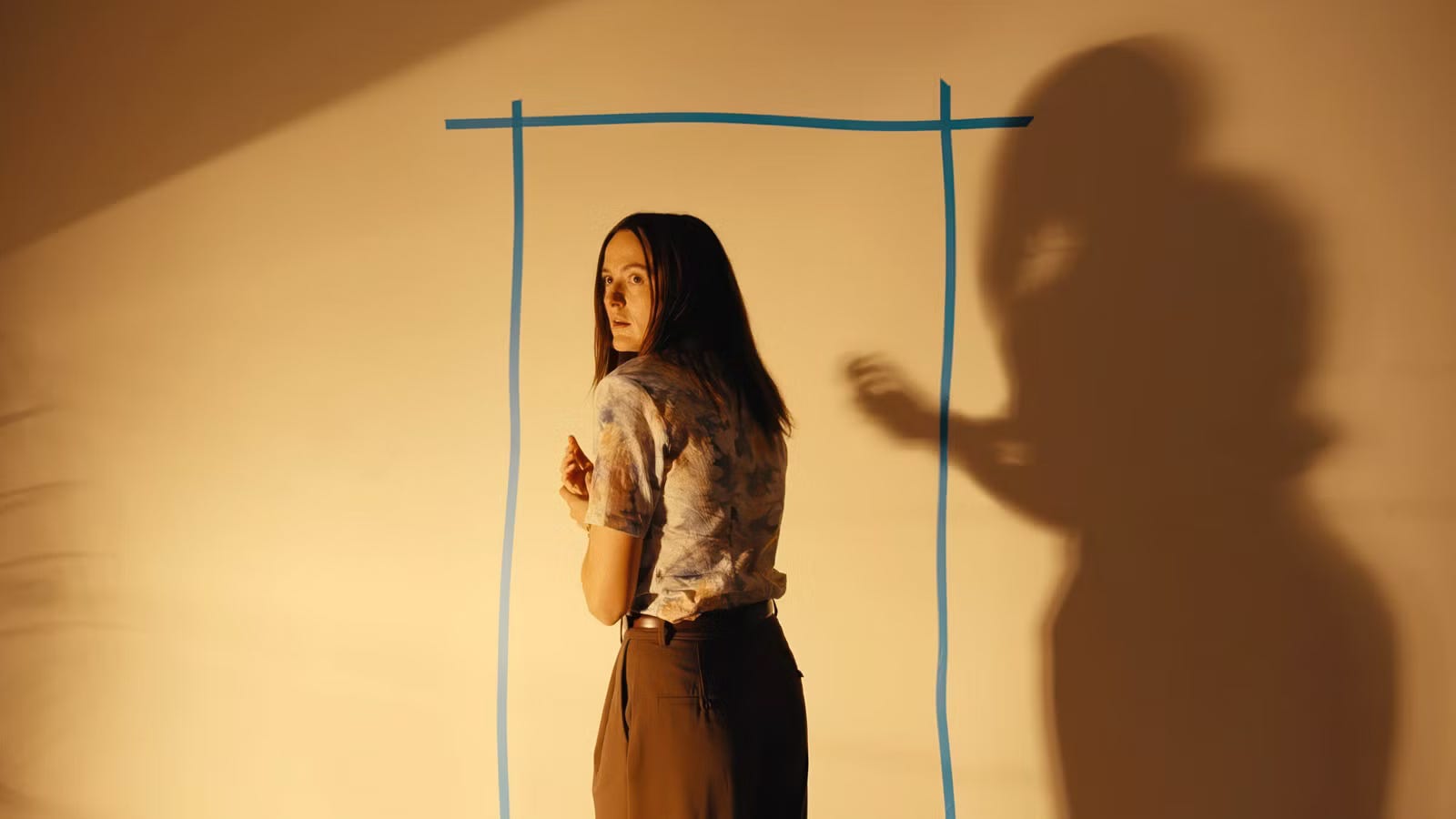
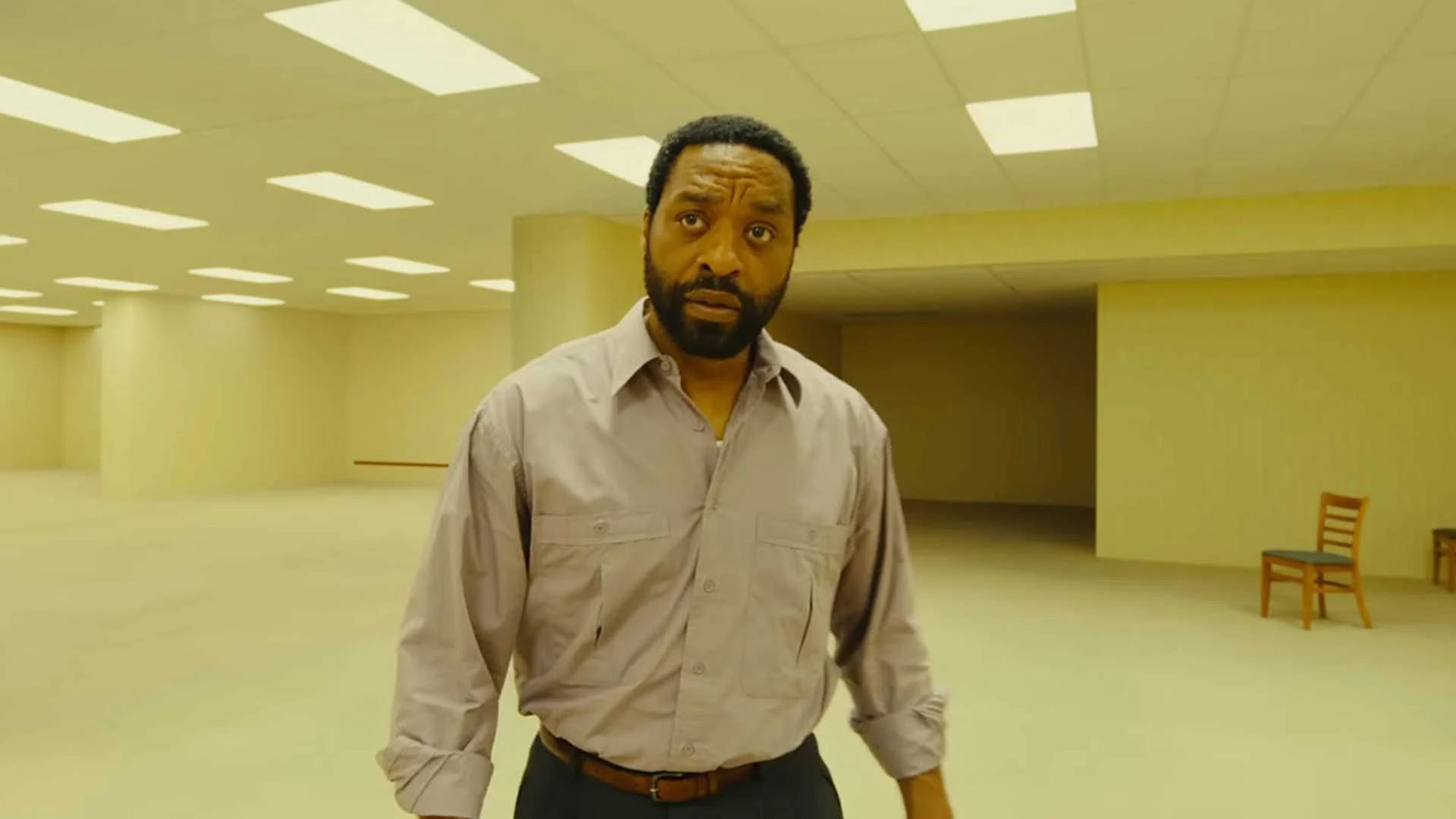
Yellow = The Everyday World / Starting Point
Blue = The New World (What the Hero is Up Against)
Red = Wounds / Danger
Specifically for Backrooms, the color yellow represents the mask we wear to survive and cover up our internal traumas. Blue represents the shadow or journeying towards the truth. Notice the color that Clark wears in therapy and while he explores the backrooms: he's in purple, which is a combination of blue and red. So in this new world, he's journeying towards his shadow and his truth meets is a pain point.
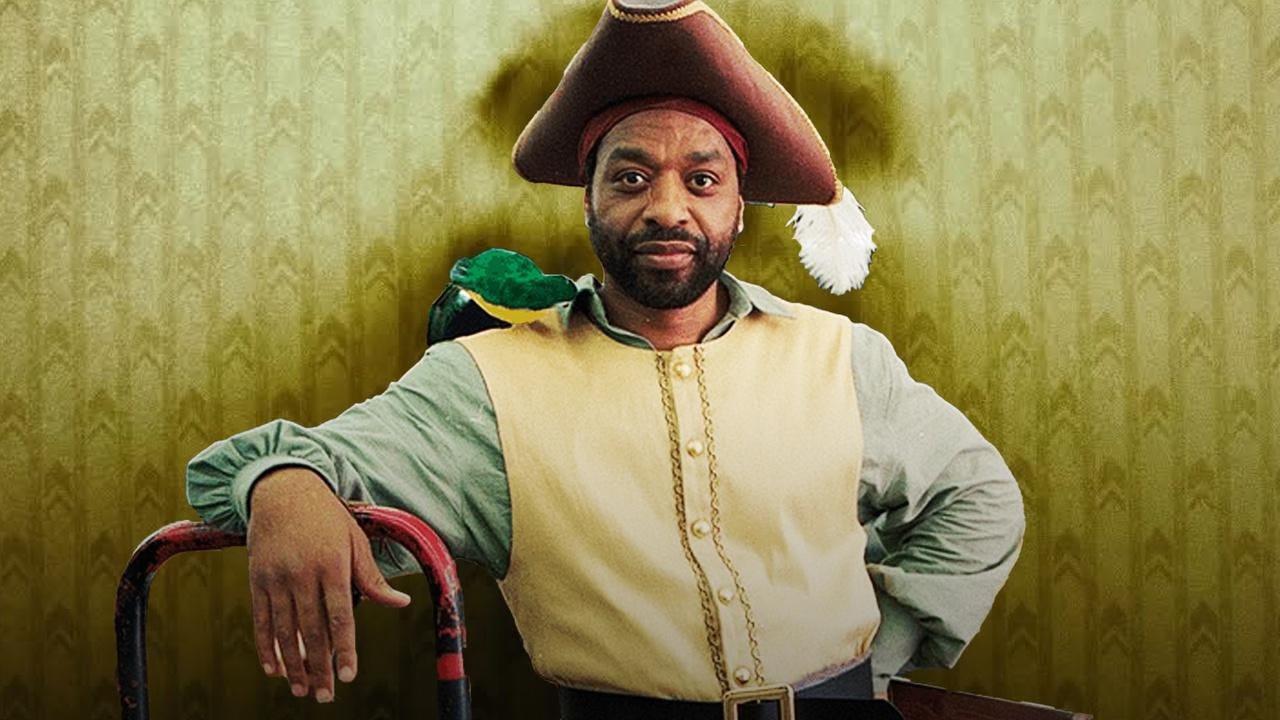
And a major color that we see in Clark's furniture store is green — a combination of him wearing his mask to the world (yellow) and hiding his truth (blue). And the furniture in and of itself is symbolic; because like furniture to a house, we dress ourselves all up to present something to the world. But like therapy, we demolish the presentation and look a bit deeper.
So when Clark kidnaps Mary to the backrooms and forces her to role play his wife the night of the conflict where his soul got stuck, he introduces her to these disfigured human-like beings who have made a home in the backrooms. And Clark says they're free.
“No pain, no worries, no fear.”
But like the way everything here is slightly off and mirrored, Clark's got it all backwards. Getting hurt, making mistakes, having regrets, that's living.
And the most interesting thing I've ever seen on film thus far happens when Clark shows Mary that these humanoid beings are edible. He rips a guy's belly open and stuffing comes out. Which is why everything looks so old. They're literally stuck in the past where their souls are.
So, these characters are walking dead within their lives. They’re decorative, not partaking — they’re furniture. So both Clark and Mary weren't making a home in their daily lives. They were just filling their homes like furniture. Sunken beings like the furniture in the backrooms. Sunken like the handprints Mary and her mother made in the cement when she was a child: it's representative of Mary's subconscious that lays beneath her childhood trauma.
So for me, this film was so full and complete and it left me with so much to digest while crawling through the human psyche and the broken mind. Which all makes sense because in watching the film, going through the backrooms was in itself disorienting to the mind.
If you’d like to dive into the character dissections below this point, please become a paid subscriber! Posts are made available to the public three weeks after posting date.
